

Proper drying of TPV (Thermoplastic Vulcanizate) particles before processing (extrusion or injection molding) is essential to prevent surface defects, foam, and hydrolysis, even though TPV is less hygroscopic than nylons or polyesters.
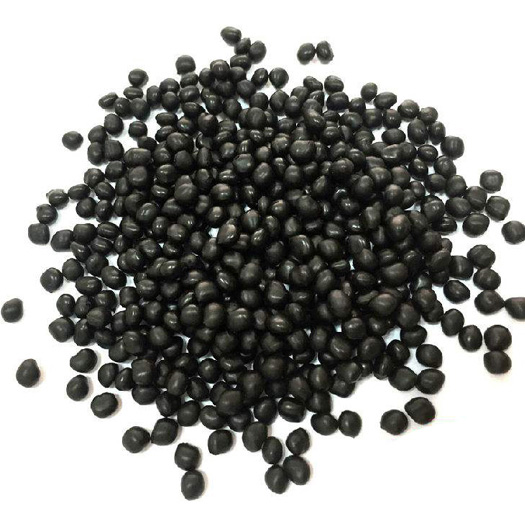
Below is a step-by-step guide based on industry best practices for automotive weather strip and seal manufacturing.
1. Do You Actually Need to Dry TPV?
General rule:
Most TPV grades (e.g., Santoprene, Sarlink) are not hygroscopic but can absorb surface moisture if stored improperly.
Drying is required if:
Bags show signs of water exposure or condensation.
Material has been stored in open containers >2 hours in humid conditions (>60% RH).
Processing equipment shows moisture-related issues (splay marks, bubbles, rough surface).
You are co-extruding with a hygroscopic material (e.g., PP carrier with TPV lip).
Tip: Many automotive Tier 1 suppliers dry TPV prophylactically to eliminate any risk, even though data sheets often state "normally not required."
2. Recommended Drying Parameters for TPV
ParameterValue
Temperature80–90°C (176–194°F)
Time2–4 hours (3h typical)
Dew point-30°C or lower (desiccant dryer)
Maximum moisture content before processing<0.08% (800 ppm)
Caution: Do not exceed 100°C for more than 1 hour, as this can cause partial softening, agglomeration, or degradation of the PP phase.
3. Drying Methods
A. Hopper Dryer (Desiccant) – Recommended
Best for continuous production.
Use a closed-loop desiccant dryer with dew point monitoring.
Set hot air flow to ensure uniform temperature across the hopper.
B. Tray Oven (Batch Drying)
Spread particles in a thin layer (≤25 mm / 1 inch deep).
Do not overfill trays – moisture cannot escape from deep beds.
Stir every 30 minutes if possible.
C. Vacuum Dryer – Optional
Lower temperature (70–80°C) and shorter time (1–2h).
Useful for heat-sensitive or regrind TPV.
More expensive, usually not necessary for standard TPV.
4. Step-by-Step Drying Procedure
Step 1 – Check moisture before drying
Use a moisture analyzer (loss-on-drying) or a capacitance meter if available. Target:<0.08% (800 ppm).
Step 2 – Pre-heat the dryer
Bring your hopper or oven to 80–85°C before adding TPV.
Step 3 – Load TPV particles
Do not mix with regrind that has unknown moisture history.
Step 4 – Dry for 3 hours at 85°C
Adjust time based on moisture load:
1–2 hours for dry bags stored in climate-controlled room.
3–4 hours for material from open bins or humid environment.
Step 5 – Verify moisture after drying
Quick check: Perform a “purge test” – extrude a small amount through a screen pack (40–60 mesh). No splay, bubbles, or steam means dry enough.
Step 6 – Keep dry
Feed directly from dryer to extruder/hopper. Minimize exposure to ambient air for >15 minutes.
5. What Happens If You Don’t Dry TPV?
DefectCauseAppearance
Surface splay / silver streaksFlash steam from water vaporizing at the dieStreaks along flow direction
Internal bubbles / voidsTrapped moisture expanding under heatVisible bubbles in cross-section
Poor adhesion (co-extruded seals)Moisture interfering with bonding between TPV and rigid PPDelamination at interface
Rough surface textureMicro-voids collapse unevenlyOrange peel or matte spots
Extrudate swelling variationSteam expansion altering melt rheologyInconsistent profile dimensions
In automotive weather seals, bubbles or voids are a direct scrap cause – no cosmetic fix possible.
6. Special Cases
Regrind / Recycled TPV
More surface area → absorbs moisture faster.
Dry at 70–75°C for 2–3 hours (lower temp to prevent degradation).
Maximum regrind ratio typically 20–30% for exterior seals.
TPV with Adhesive or Overmolding
If TPV is overmolded onto a substrate (e.g., metal or rigid plastic), moisture must be<0.05% to prevent bubble formation at the interface.
Flame-retardant TPV grades
May have lower thermal stability. Check supplier datasheet – drying temperatures often reduced to 70°C max.
7. Common Mistakes to Avoid
MistakeConsequence
Drying >100°CParticles stick together, block hopper.
Drying<70°CIneffective – moisture not removed.
Exceeding 4 hours at high tempColor shift, loss of elongation.
Drying in uninsulated hopperCondensation forms when cold material enters.
Opening dryer door during cycleMoist air re-enters, resets process.
8. Quick Checklist for Production
Hopper dryer set to 80–85°C
Dew point ≤ -30°C (desiccant active)
Residence time ≥ 2 hours for fresh pellets
Moisture verified <0.08%(or purge test clean)
Extruder temperature profile starts ≥180°C melt zone
Screen pack 40–60 mesh to catch any degraded gels
Final Recommendation for Automotive Weather Seal Lines
Dry TPV for 3 hours at 85°C in a desiccant dryer, regardless of supplier claims. This eliminates moisture as a variable, reduces scrap by 2–5%, and ensures bubble-free, dimensionally stable extrusions – especially critical for Class A visible seals like flush glass runs or decorative weather strips.
This website uses cookies to ensure you get the best experience on our website.
 Tiếng Việt



 Phone
Phone
Comment
(0)